
8 Things to Consider When Pricing your Work
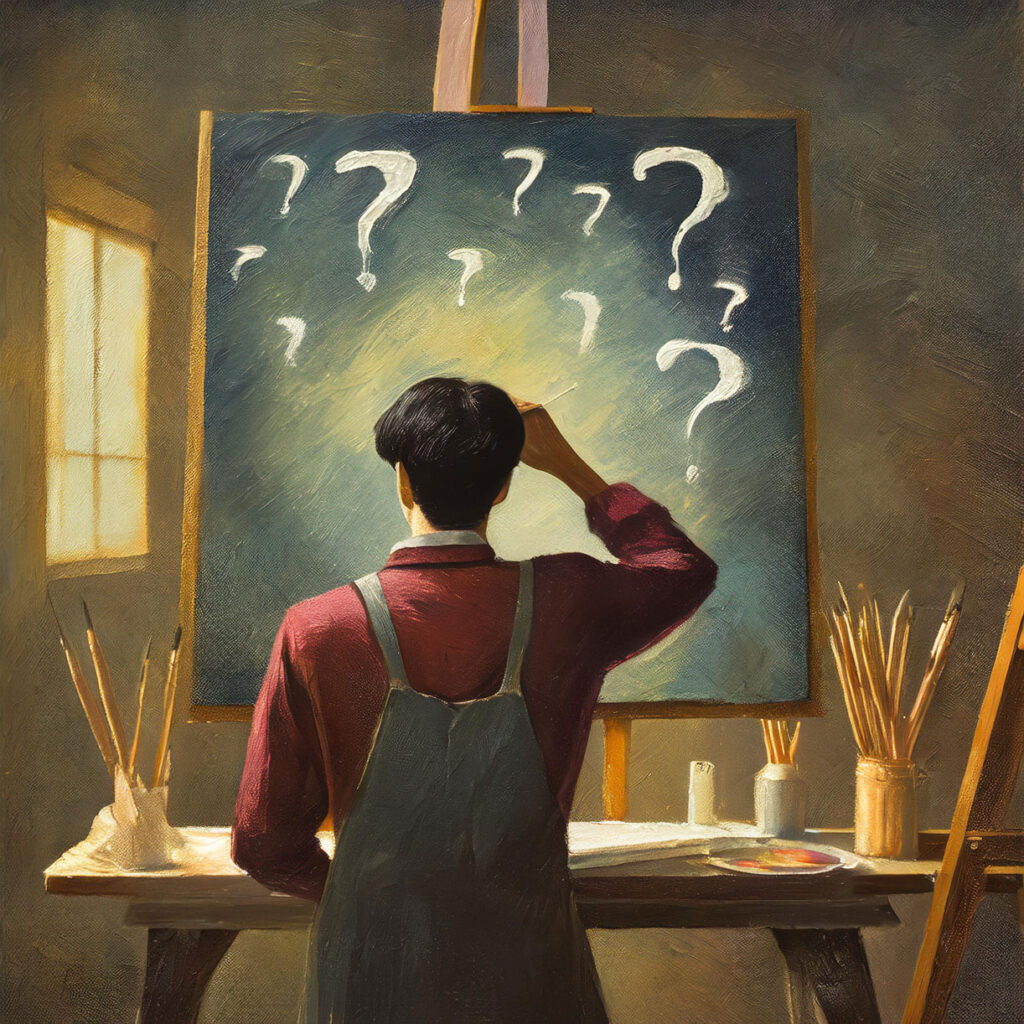
As an artist, one of the trickiest questions you’ll face is how to price your artwork. It’s a delicate balance between valuing your time and talent while also making your art accessible to potential buyers. Before you attach a price tag to your latest masterpiece, here are eight essential factors to consider:
1. Evaluate Your Skill Level: Be honest with yourself about your skill level and experience as an artist. While it’s tempting to price your work based on your perceived talent, consider factors such as your years of experience, level of training, and artistic achievements.
2. Research the Market: Take the time to research the market and see what similar artworks are selling for. Look at galleries, online marketplaces, and art fairs to get a sense of the going rates for artworks in your style and medium.
3. Consider Your Costs: Don’t forget to factor in the costs associated with creating your art, including materials, studio rent, and marketing expenses. Your pricing should cover these costs while still allowing you to make a profit.
4. Think About Your Audience: Consider the demographic you’re targeting with your artwork and adjust your pricing accordingly. Are you selling to seasoned art collectors, or are you targeting first-time buyers and art enthusiasts?
5. Reflect on Your Reputation: Your reputation as an artist can significantly impact the perceived value of your artwork. If you have a strong portfolio, a resume full of publications and accolades, a history of successful exhibitions, or your work is held in prestigious collections, you may be able to command higher prices.
6. Size Matters: The size of your artwork can also influence its price. Generally, larger pieces command higher prices due to the increased materials and labor costs involved in creating them.
7. Editions and Limited Prints: If you produce limited editions or prints of your artwork, consider pricing them accordingly. Limited edition prints can often be priced lower than original works but still offer collectors a chance to own a piece of your art.
8. Embrace Flexibility: Be willing to adjust your prices based on feedback from buyers, market trends, and changes in your own artistic development. Pricing your art is not set in stone, and it’s okay to experiment and refine your approach over time.
Now, let’s talk about where the value of art comes from. It’s not just about the brushstrokes or the colors on the canvas – the value of art is influenced by a myriad of factors, including:
- Artist’s Education and Training: A formal education in art, such as a degree from an accredited art school, can lend credibility and value to an artist’s work.
- Exhibition History: The artist’s resume of exhibitions, particularly in reputable galleries and museums, can elevate the perceived value of their artwork.
- Inclusion in Collections: Artwork that is held in public or private collections, especially those with prestigious reputations, can enhance its value and desirability among collectors.
- Publications and Accolades: Artwork showcased in juried publications, along with recognitions and awards, can enhance the value of the artwork and the overall pricing within an artist’s collection of available works.
- Artistic Vision and Concept: Art that demonstrates a unique and compelling artistic vision, as well as a strong conceptual framework, is often valued more highly by collectors.
- Market Demand: Ultimately, the value of art is also influenced by market demand. If there is high demand for an artist’s work, prices are likely to increase accordingly.