
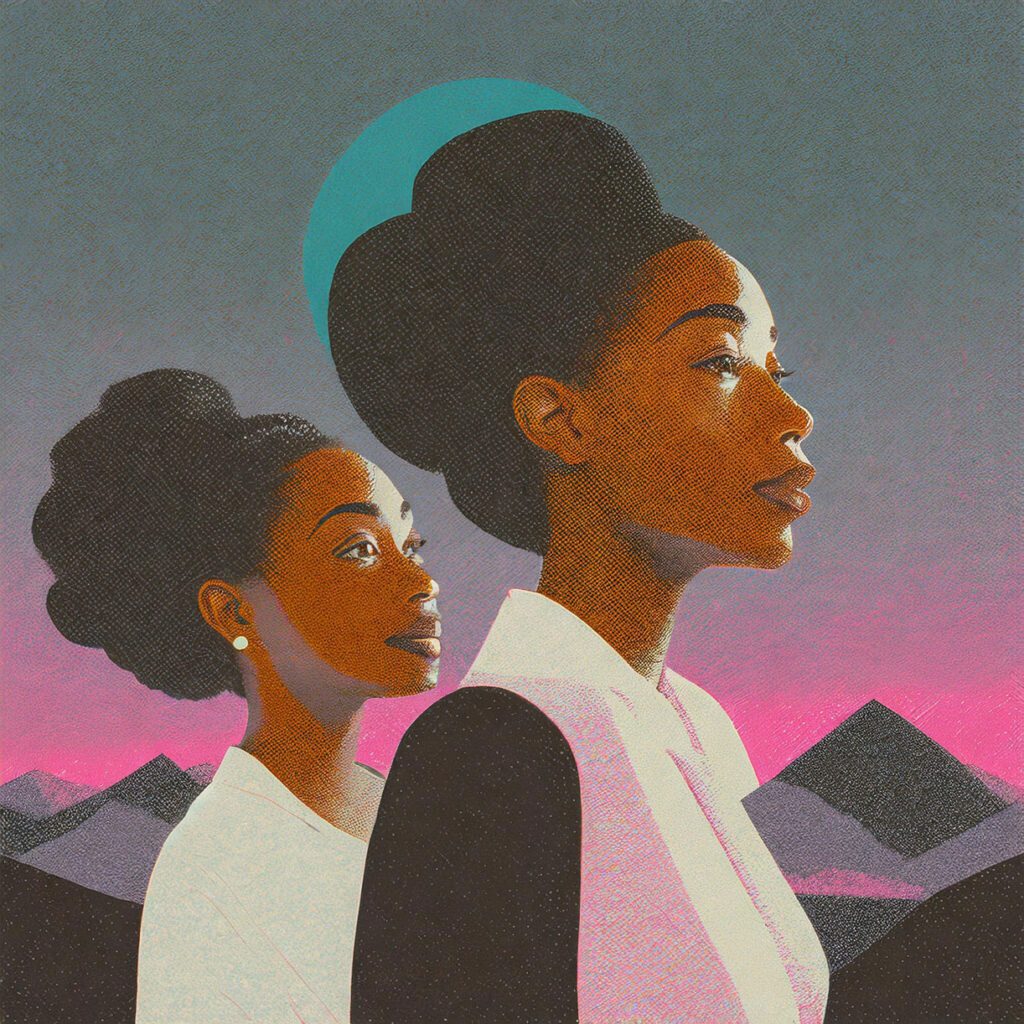
Throughout history, women have played a significant role in the development of Western art, yet their contributions have often been overshadowed or marginalized. The feminist movement has been instrumental in bringing attention to these overlooked narratives and challenging traditional gender roles within the art world. Let us explore the evolution of feminism in Western art, highlighting three key movements and examining their historical context, geographical impact, and overall significance.
First Movement of Feminist Art
The first wave of feminist art emerged in the late 1960s and early 1970s, coinciding with the broader feminist movement of the time. Women artists began to challenge the patriarchal structures of the art world and question the representation of women in art history. One of the most notable examples of this movement is the “Women’s Liberation Art Show” held in 1971 in Los Angeles, which showcased works by women artists addressing issues such as reproductive rights, domestic labor, and sexual violence.
This movement was characterized by its emphasis on consciousness-raising and the use of art as a tool for social and political activism. Artists sought to reclaim female identity and agency through their work, often employing provocative and confrontational imagery to challenge prevailing stereotypes and expectations. The first wave of feminist art laid the groundwork for subsequent movements, sparking conversations about gender, power, and representation that continue to reverberate in the art world today.
Second Movement of Feminist Art
The second wave of feminist art emerged in the 1980s and 1990s, building upon the achievements of the first wave while expanding its scope and impact. This period saw a greater diversity of voices and perspectives within feminist art, with artists exploring issues of race, class, and sexuality in addition to gender.
One significant development during this time was the rise of feminist art collectives and collaborative projects, such as the Guerrilla Girls and the Women’s Action Coalition. These groups used guerrilla tactics and direct action to challenge institutional sexism and discrimination in the art world, often through provocative public interventions and street performances.
The second wave of feminist art also witnessed a renewed interest in the representation of women in art history, with artists reclaiming and reinterpreting iconic works from a feminist perspective. This period saw the emergence of critical theory and interdisciplinary approaches to feminist art, as artists engaged with feminist scholarship and feminist activism in new and innovative ways.
Third Movement of Feminist Art
The third wave of feminist art emerged in the late 20th century and continues to the present day, marked by an increased focus on intersectionality and globalization. This movement seeks to amplify the voices of marginalized communities, including women of color, LGBTQ+ individuals, and disabled artists, who have historically been excluded from mainstream narratives of feminism and art.
One of the defining features of the third wave of feminist art is its emphasis on inclusivity and diversity, with artists challenging traditional notions of gender and identity while also addressing pressing social and environmental issues. This period has seen a proliferation of digital and new media art, as well as community-based and participatory art projects that prioritize collaboration and collective action.
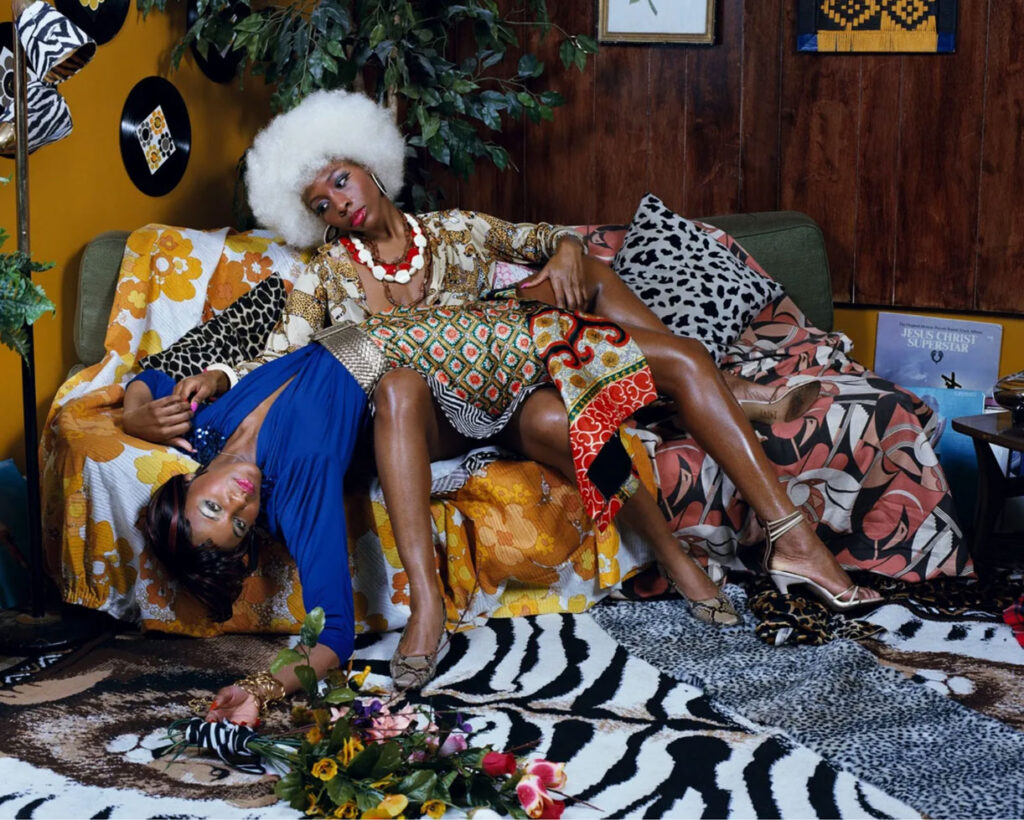
Feminism in Art Now
Feminism continues to play a vital role in contemporary art, shaping artistic practices, institutional frameworks, and public discourse. Artists today are building upon the legacy of previous feminist movements while also pushing boundaries and exploring new frontiers in feminist art.
One notable trend in contemporary feminist art is the reclamation of the female body as a site of empowerment and resistance. Artists are challenging conventional beauty standards and embracing diverse representations of femininity, reclaiming the female nude as a symbol of strength and self-expression.
Another significant development in contemporary feminist art is the intersectional approach to gender and identity, with artists exploring the ways in which race, class, sexuality, and other intersecting factors shape women’s experiences and opportunities in society. This intersectional perspective has led to a greater recognition of the diverse voices and experiences within feminist art, fostering a more inclusive and equitable art world.