In the dynamic world of creativity, the rise of artificial intelligence (AI) has sparked a mix of excitement and apprehension. One of the intriguing questions that surfaces is whether AI poses a challenge to fine art. To delve into this, let’s unpack what AI art really is, how it operates, and what it means for our understanding of art itself.
What Exactly is AI Art?
AI art, sometimes called algorithmic or generative art, is essentially artwork generated or heavily influenced by artificial intelligence systems. It’s where technology and creativity shake hands, and algorithms churn out visual or auditory pieces based on specific rules or prompts.
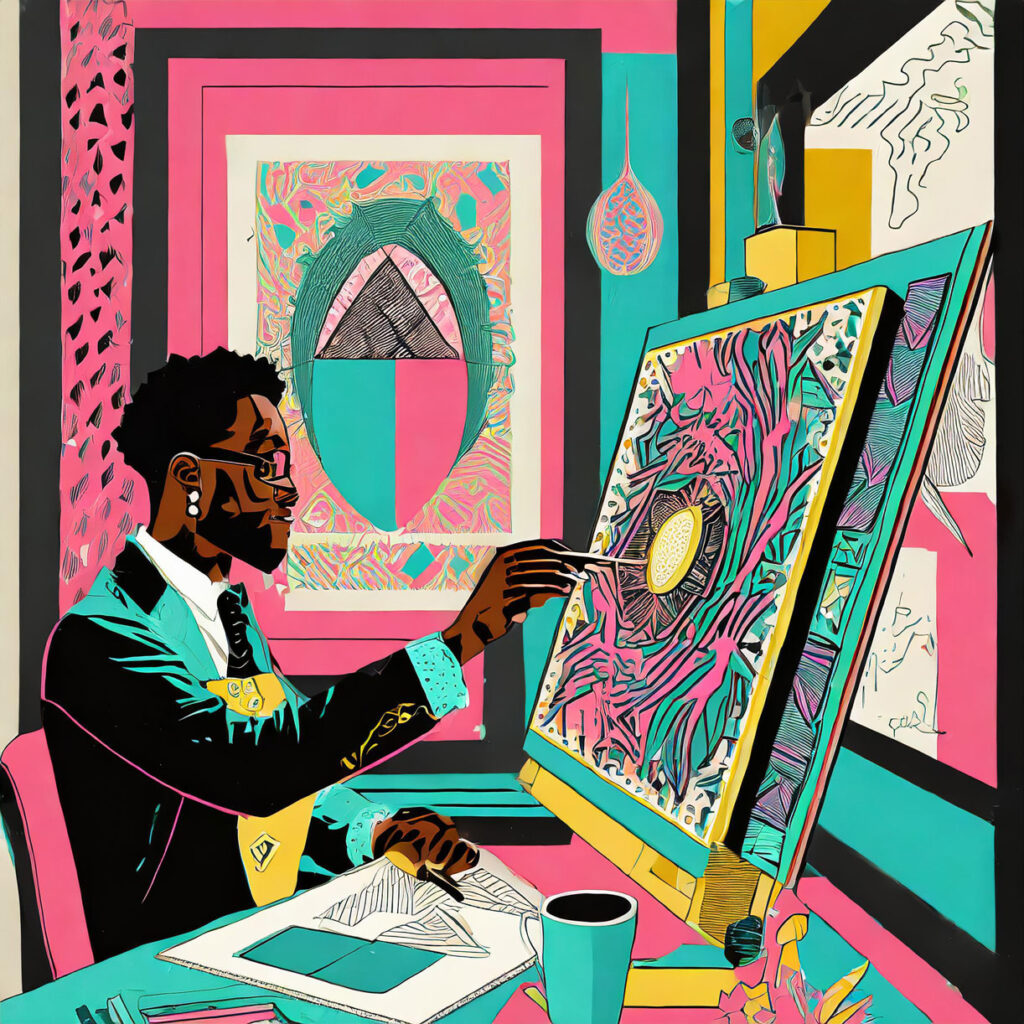
Machine learning, a fancy term for teaching computers to learn from data, is at the heart of AI art. Through this process, algorithms are trained on huge datasets to recognize patterns and generate new content. In the case of visual art, AI algorithms can whip up images based on text prompts, using a kind of digital paintbrush to create something out of nothing.
Is AI Art Really Art?
The big question here is whether AI-generated stuff qualifies as genuine art. Art has always been seen as something deeply human, a reflection of emotions, ideas, and cultural vibes. Can a machine really tap into all of that?
Sure, AI can churn out some visually stunning stuff, but does it capture the essence of what makes art, well, art? The debate rages on. Plus, the idea of who gets credit for the art gets all muddled. Is it the coder who wrote the algorithm, the person who gave the prompt, or the machine itself? It’s like trying to figure out who’s the real MVP in a basketball game.
Who’s the Artist Anyway?
In this AI-infused art realm, pinning down who gets the artist title is like trying to catch a greased pig at a county fair. It’s slippery and elusive. Is it the prompt that kickstarts the creative process, or the machine that brings it to life? In other words, it becomes a deeper question of what is matters most in art, the concept, the process or the product?
In this digital dance of creativity, the distinction between conception and realization becomes increasingly blurred. As we navigate this intricate landscape, we catch a glimpse of a pivotal moment in history where the available processes evolve to introduce new concepts that require a new philosophical approach to defining the nature of fine art.
Artistic Evolution: Old Meets New
In today’s digital landscape, where technology permeates every aspect of our lives, AI serves as the avant-garde disruptor in the art world. It challenges conventions, reshaping our perceptions of creativity and expanding the boundaries of what constitutes artistry.